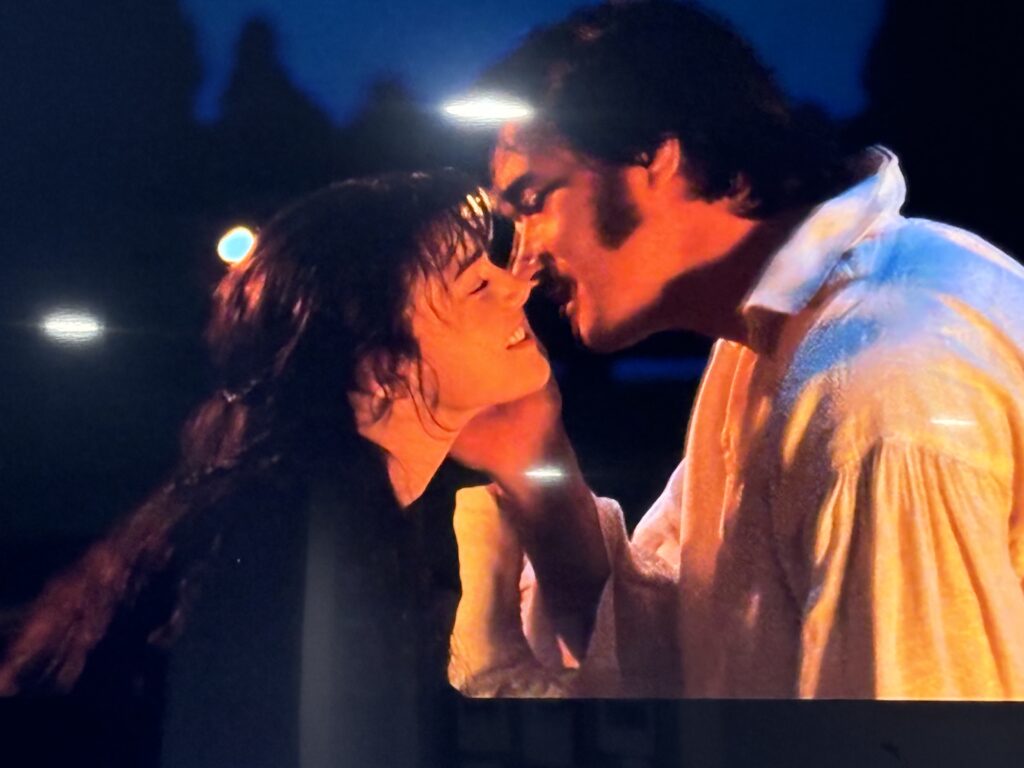
Love, or Just Hurt?
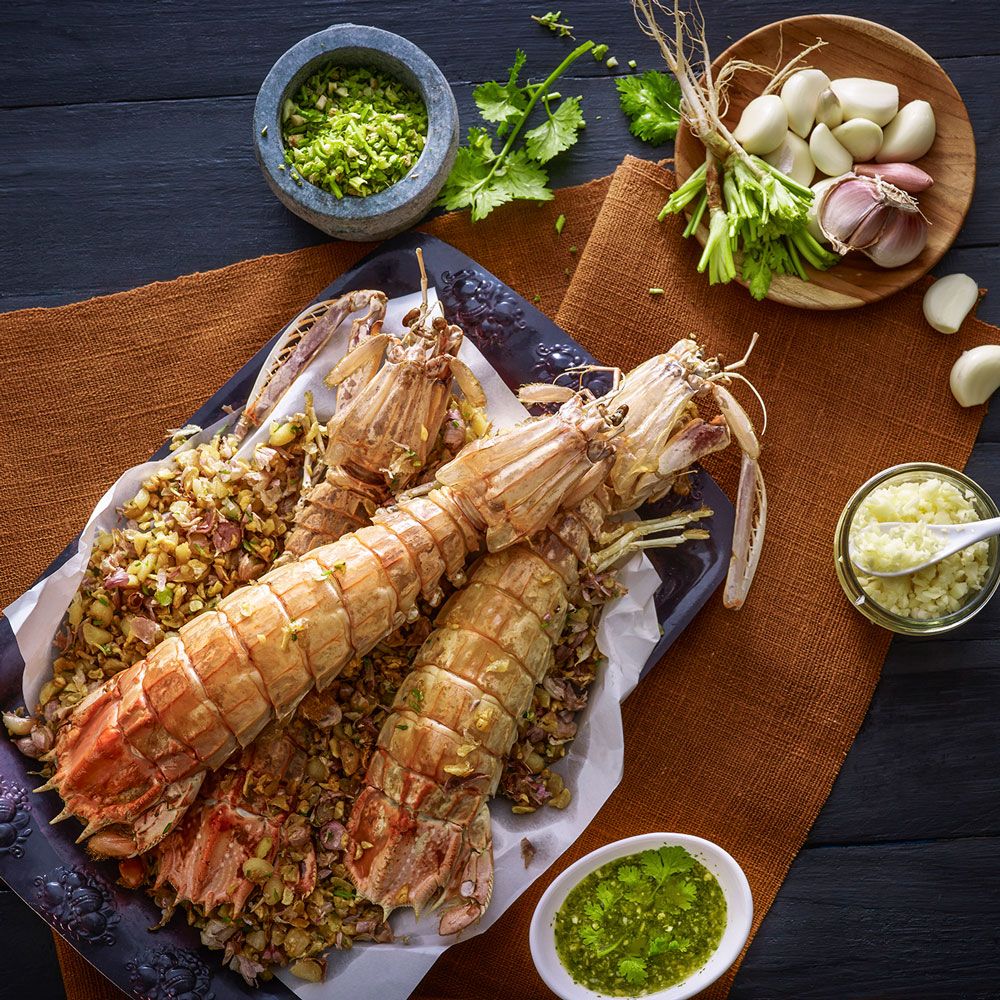
There are things that hurt more the harder you try to open them. The mantis shrimp is one of them. Its shell is rigid, edged, almost defensive. One wrong move and it cuts into your fingers. People learn to peel it slowly, carefully, following the natural lines of the shell. Otherwise, you lose the best parts or end up hurting yourself. And somehow, as I grew older, I began to realize that human feelings are not so different, especially the ones adults often dismiss as unnecessary.
Adults like to say that falling in love when you are young is a waste of time. They say it with a kind of certainty that sounds earned, as if they have already sorted life into what matters and what does not. In their world, everything needs a purpose. You study for results. You work for stability. You build relationships for the future. And feelings, if they do not lead somewhere concrete, are often seen as distractions.
Psychologically, this way of thinking makes sense. As people grow older, they begin to prioritize control and predictability. They have spent time on things that did not last. They have felt the weight of investing in something uncertain. So they learn to cut away what does not feel efficient. Love becomes less of an experience and more of a decision shaped by logic. It is not that they no longer feel, but that they no longer want to feel without direction. But in doing so, they forget something important.
Not everything exists to be useful.
Love, especially when it is young, is not a path. It is a state. It does not exist to guarantee a future or produce a clear outcome. It exists as a way of learning how to feel another person, how to care, how to be hurt, and most of all, how to understand yourself. It is messy, uncertain, and often unreturned, but that does not make it meaningless.
Like peeling a mantis shrimp, if you look only for efficiency, it is easy to dismiss it. It takes time. It is inconvenient. It can even hurt. But if you slow down, if you learn where to press and where to let go, what is inside is unexpectedly tender, rich, and worth remembering. Not because it was easy, but because it was not.
Young people are often called stubborn for holding on to feelings that seem unnecessary to others. They like someone even when they know it will not lead anywhere. They remember, they wait, they stay longer than they should. From the outside, it looks irrational. From the inside, it is something else entirely.
It is a refusal to let life become too reasonable, too early.
Because if everything must have a purpose, then slowly, people lose the ability to value what cannot be measured. And love, in its most honest form, has never been something you can calculate. It does not need to be correct, or lasting, or even returned to matter. Its beauty is in that. Perhaps that is why people say that love is not about finding someone perfect, but about learning to see something perfect in someone who is not. In the quiet decision to give time and feeling to something uncertain. In choosing to step into something you cannot control, not because you do not understand the risk, but because you understand it differently.
Not everyone knows how to peel a mantis shrimp. And not everyone is willing to take the time to learn. But those who do, those who move carefully through each layer, will understand that the inconvenience was never the point. It was simply not meant for those in a hurry.
And maybe stubbornness, in this sense, is not a flaw.
It is a way of holding on to a part of yourself that has not yet been reduced to what is practical.
-EL-
Next
Where Love Is Served.
Proudly powered by WordPress
Leave a Reply